
Your goods are in Shenzhen. Production is complete and the delivery date is approaching. The China Express Shuttle Train DraGo would be ideal – fast, reliable, and cheaper than air freight. However, if the shipment contains lithium batteries or Class 3 dangerous goods that are subject to sanctions, rail transport is no longer an option.
So what do you do? Conventional ocean freight takes 50, 60, or sometimes 70 days. And whether your shipment will actually leave on the vessel you booked often only becomes clear a few days before departure. In the industry, that’s called “rolling.” They say that your cargo remains stationary while the ship is moving.
For precisely these situations, TTS LCL (Less than Container Load) ocean freight offers a more reliable alternative.
Sanctions, Dangerous Goods and Batteries – Why Rail Is Not Always an Option
The China Express Shuttle Train DraGo is the top choice for many shipments to or from China because it is faster than ocean freight and significantly cheaper than air freight. However, rail transport through certain transit countries is subject to strict restrictions.
Lithium batteries, the core component of many electronic and industrial products, are not permitted or are permitted only to a limited extent – on rail transport through various countries. Furthermore, certain classes of dangerous goods such as flammable liquids, pressurized gas cylinders, or certain chemicals. Depending on the country of origin and destination, individual rail corridors may also be closed or restricted.
Direct Shipping Instead of Large Container Vessels
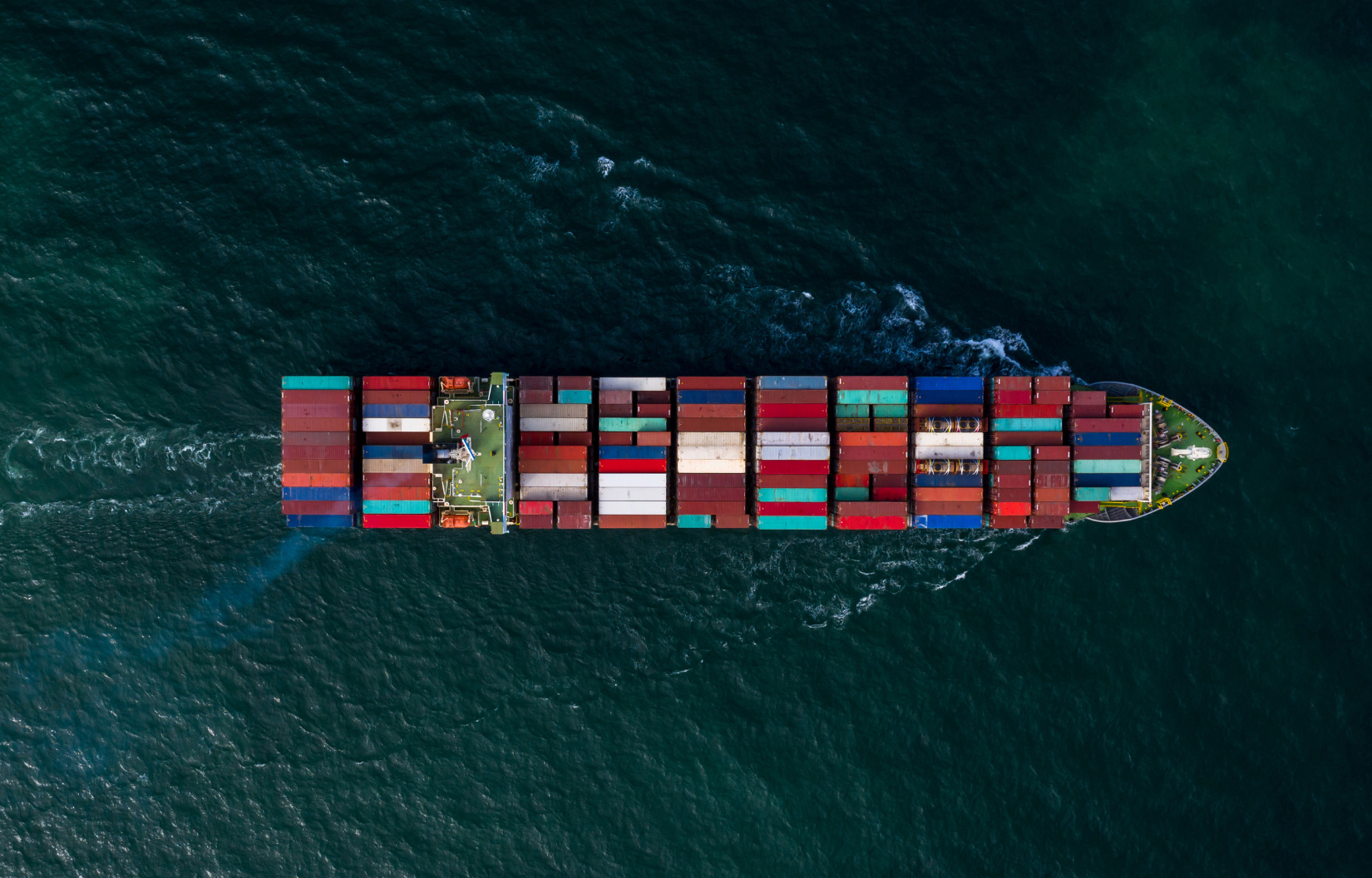
On this route, TTS relies on smaller direct-service vessels rather than the large container giants that consolidate shipments from all over the world into a consolidated shipment and ship them around the globe. The difference is measurable.
- A reliable departure rate ensures that the shipment departs as soon as it is booked – without any delays and without being moved to the next slot at the last minute because the ship is already full.
- The estimated transit time of 35 days between Shenzhen and Koper gives you a fixed
timeframe that you can communicate to customers and reliably include in your internal planning. - Our own warehouse facilities in Ningbo, Da Chan Bay, and Koper, which allow for flexible consolidation and buffering when production schedules shift slightly.
Direct shipments are more expensive than standard LCL or general cargo on large container ships, and we don’t hide that fact. But anyone planning a shipment that includes dangerous goods and has a fixed delivery date knows this: A surprise three weeks before the deadline ends up costing more than the extra charge for a more reliable ship.
The Route: Shenzhen to Koper in about 35 days
- The ports of departure in China are Shenzhen, Ningbo, and Da Chan Bay, which serve as the main catchment areas for manufacturing sites in southern and eastern China.
- The destination port in Europe is Koper, Slovenia, the Adriatic gateway for onward distribution to Switzerland, Austria, Germany, the Czech Republic, and all of Europe.
- With a transit time of about 35 days, this route is significantly faster than traditional ocean freight on standard routes via the Suez Canal or the Cape of Good Hope.
Local teams in China and Europe coordinate the entire process: loading at the Chinese port, document processing, customs clearance in Koper, and onward delivery to the final destination. Door-to-door service isn’t an extra – it’s the standard.
For shipments without dangerous goods restrictions and with even tighter transit times, the China Express Shuttletrain DraGo the faster option. Which is better for your shipment – train or direct ship? We’ll be happy to take care of this quickly and reliably.
Are you planning a shipment to China that involves dangerous goods, batteries, or restricted routes?
Markus Hartmann will review your shipment and let you know whether TTS LCL ocean freight is the right solution.
Takes just 1 minute – get a free assessment

Frequently Asked Questions
What is the difference between TTS LCL ocean freight and standard LCL?
Standard LCL shipments on large container ships often carry a risk of overbooking and rollovers: Your shipment may miss its scheduled departure because the ship is fully booked or priorities have been changed. TTS relies on direct vessels with reliable departure schedules, taking about 35 days from Shenzhen to Koper. That’s more expensive. But you’ll know when your goods arrive.
Can TTS ship lithium batteries and dangerous goods by sea freight?
Yes, that’s one of the main reasons for this product. Many classes of dangerous goods and lithium batteries are not permitted on the rail route through certain transit countries. Transport by sea is permitted in accordance with the IMDG classification.
When does LCL ocean freight make sense, and when is DraGo the better choice?
DraGo is the faster choice for standard goods with no restrictions: shorter transit times, more affordable, and more environmentally friendly. TTS LCL ocean freight is the right solution when the product cannot be transported by rail – for example, in the case of dangerous goods, batteries, or routes subject to sanctions or when you need maximum departure reliability with a predictable transit time.